- 4EVERWINES is an R&D project based on the multidisciplinary integration of innovative viticultural and oenological strategies aimed at ensuring the balance and long‑term preservation of wine properties over time.
- It confirms the impact of interactions between vineyard management and oenological biotechnologies on the final wine profile.
- Bodegas José Pariente leads this project, in which the Polytechnic University of Madrid and the company GIVITI also participate, with co‑funding from CDTI Innovación and EU FEDER funds.
The 4EVERWINES R&D project continues to advance toward its goal of achieving greater longevity in organic Verdejo wines. After completing the second of the three technical‑economic milestones defined for its implementation, the results obtained so far clearly demonstrate the influence of the interactions between viticultural management and oenological biotechnologies on the final character of the wine.
The development of 4EVERWINES is based on a multidisciplinary integration of innovative viticultural and oenological strategies that guarantee the balance and stability of these wines’ properties over time. The aim is not only to achieve greater freshness, but also enhanced stability across all attributes of these organic Verdejo wines — whether young, aged on lees, or fermented in barrel.
Results achieved
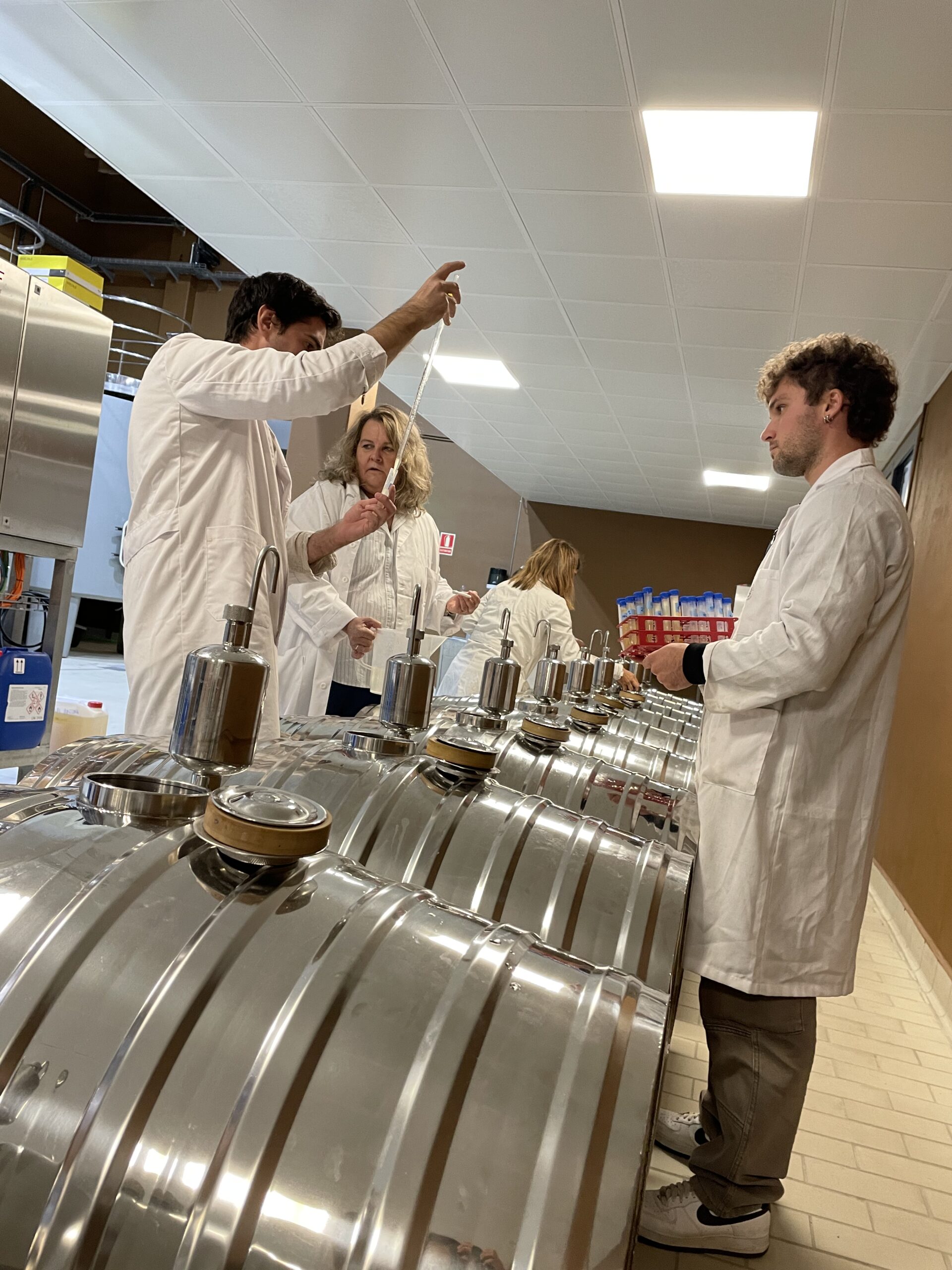
Following the completion of the second phase of 4EVERWINES, the influence of the interactions between vineyard management and oenological biotechnologies on the final wine profile has been confirmed. The strategy applied at pilot scale has resulted in wines with a more favorable malic profile, while also highlighting new challenges in the implantation of acidifying yeasts. This underscores the need to continue adjusting fermentation conditions in order to optimize product performance.
Specifically, the strategy applied during this project phase has induced significant changes in grape composition, including: frescura organoléptica.
higher sugar content, increased malic acid, higher pH, and lower total acidity. These changes translate into wines with higher alcohol content and improved organoleptic freshness. At the fermentation level, the use of non‑Saccharomyces yeasts has been particularly noteworthy, as they helped preserve the varietal profile of these wines while contributing more herbal and balanced nuances. Additionally, the co‑inoculations applied (Lt+Mp and Lt+Pk) showed better aromatic results compared to other fermentations, although fermentation conditions — especially temperature and tank type — influenced the appearance of reductive defects.
A qualitative leap forward
The development of the 4EVERWINES project represents a qualitative leap in viticulture and winemaking R&D. It not only seeks greater freshness but also greater stability of this freshness and of other key properties in Verdejo wines. Moreover, it applies a combination of innovative viticultural and oenological strategies that will enhance the characteristics of these wines. To support this work, the project has a budget of €700,024, co‑funded by the Centre for Technological Development and Innovation (CDTI Innovación) and European Union FEDER funds (2021–2027). Bodegas José Pariente leads the initiative, with participation from the Polytechnic University of Madrid and the company GIVITI.
ABOUT 4EVERWINES
4EVERWINES is an R&D project whose main objective is to achieve greater longevity in organic Verdejo wines. It is based on the multidisciplinary integration of innovative viticultural and oenological strategies designed to guarantee the balance and stability of their properties over time.
Bodegas José Pariente lidera esta iniciativa, en la que también participan la Universidad Politécnica de Madrid y la empresa GIVITIThe project is led by Bodegas José Pariente, in collaboration with the Polytechnic University of Madrid and GIVITI, and has a total budget of €700,024, co‑funded by CDTI Innovación and EU FEDER funds (2021–2027). The initiative is planned over 36 months, divided into three technical‑economic milestones between 2023 and 2026. It also has the support of the Spanish Wine Technology Platform (PTV) and the Spanish Food and Drink Federation (FIAB).